The Anatomy of Stripes: The Story Behind Fashion's Most Enduring Pattern
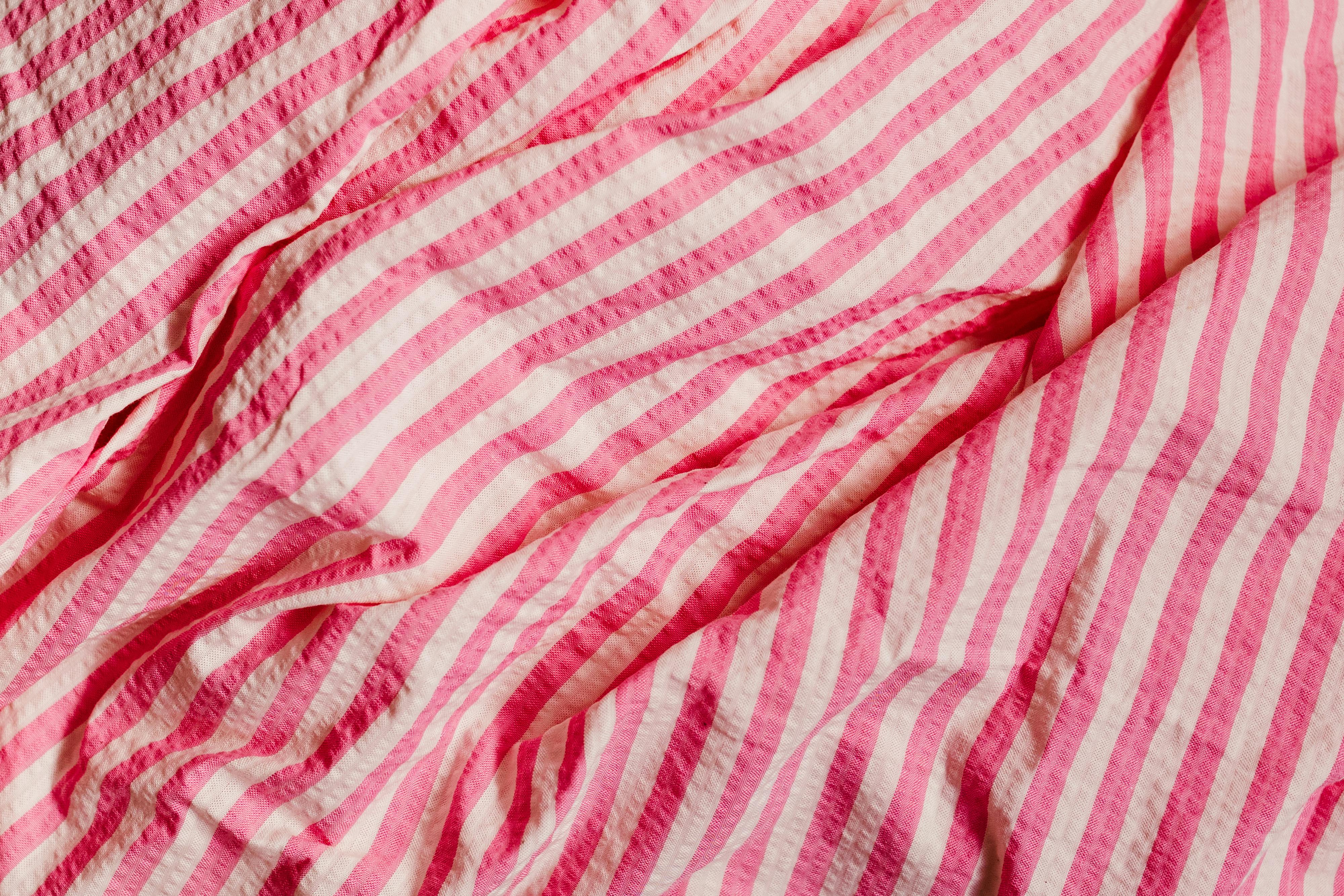
When we open our closets and reach for a striped t-shirt or shirt or any other striped garment, we rarely consider ourselves participants in a historical continuum. We treat it as a default—the reliable baseline of a capsule wardrobe. But the horizontal or vertical line stamped upon fabric carries ancient baggage. The simple pattern hides a labyrinth of social revolutions, evolutionary psychology, and naval pragmatism.
Walk down any street, and you will encounter it: a rhythmic cadence of alternating light and dark bands cutting through the visual noise of the contemporary world. Stripes manage to be simultaneously loud and quiet, historic and immediate, relaxed without looking careless, rigorously structured yet entirely casual, and classic without feeling predictable.
Perhaps that's why so many designers return to stripes season after season. From luxury fashion houses to heritage brands and everyday labels, stripes continue to appear in collections year after year. To understand why the striped pattern remains an unrivaled wardrobe essential, we must look past the fabric itself and explore how these simple geometries capture the human eye and mind.
The Visual Geometry: Why the Eye Craves the Stripe
Before getting into history, it's worth pausing on a simpler question: why does a pattern this basic hold our attention at all? A stripe is just a line, repeated. There's nothing decorative about it in the way a floral print or a paisley is decorative. And yet the human eye responds to repetition in a way it doesn't respond to a plain field of color.
Our brains are not passive recipients of visual data; they are aggressive pattern-seeking engines. From an evolutionary perspective, our ancestors survived by identifying structure within chaos—the shape of a predator hidden in tall grasses, or the alignment of trees indicating water. And this is what parallel lines provide—a pattern.

And this pattern appears throughout nature—zebras, tigers, coral reefs, fish, feathers, and even layers of rock. Our brains are naturally wired to recognize repeating parallel lines because they help us identify order and distinguish objects from their surroundings. They offer the brain something it deeply craves: visual predictability mixed with high contrast.
Vision researchers have long known that the eye is drawn to edges and contrast. A solid navy shirt gives your eye one boundary to register — where the fabric ends and the world begins. A striped shirt gives it dozens of boundaries, each one a small event.
The eye also naturally follows along the parallel lines, experiencing a rhythmic cadence that operates much like a steady musical beat. It is a concept known as visual rhythm. While solid fabrics can sometimes disappear into the background and complex florals can overwhelm the senses, a well-proportioned stripe strikes a perfect equilibrium. The repetition creates rhythm, and rhythm is something our visual system is built to track. Interestingly, the effect changes dramatically depending on how the stripes are designed.
The Dial of Dimensions
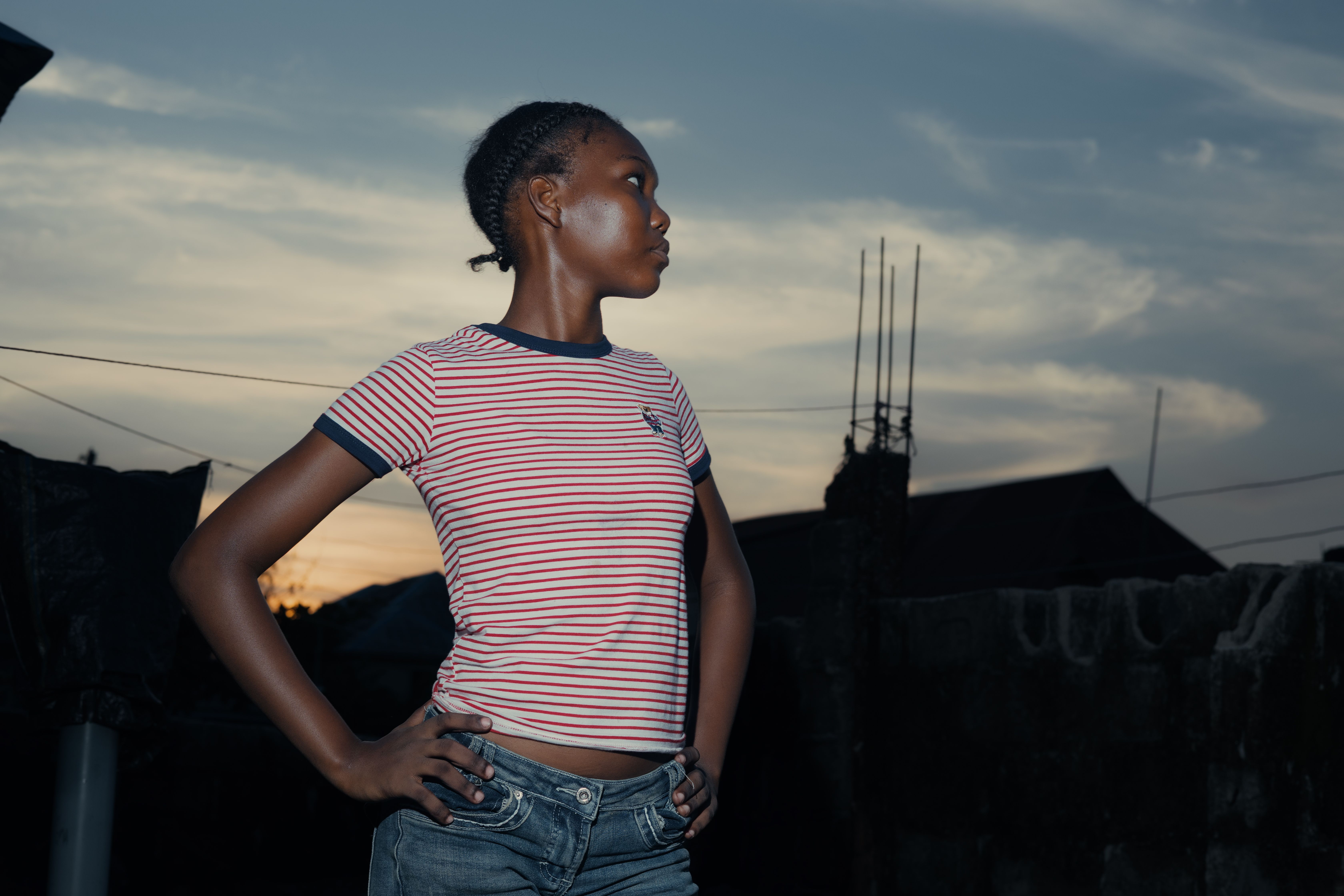
The mood of a striped garment is dictated entirely by its construction. Consider how differences manifest:
- Width: Narrow stripes tend to blend at a distance and read as texture rather than pattern, which makes them feel refined and quiet. They convey intellectual discipline and classic tailoring. Wide stripes, on the other hand, stay legible from across a room and feel bolder, more casual, sometimes more playful.
- Spacing: Tightly packed stripes feel dense and formal. Generous space between stripes feels relaxed — think of the wide gaps in a classic Breton top or a Wide Awning Stripe versus the tight banding of a pinstripe suit. Some contemporary designers intentionally vary stripe spacing across a garment so the pattern appears dynamic rather than perfectly uniform.
- Direction: Horizontal stripes emphasize width and read as calm, stable, and casual. Vertical stripes emphasize height and read as tailored or businesslike. Diagonal stripes feel the most kinetic and least formal of the three. And irregular or engineered stripes create a more artistic, modern look.
- Color: High-contrast pairings like black and white deliver a sharp, graphic punch that feels urban and avant-garde. Conversely, low-contrast combinations—such as brown and cream or slate and white—soften the geometry, turning the pattern into a texturized neutral. This is often associated with quiet luxury.
When a striped garment feels effortless to wear, it's not an accident. Someone made deliberate choices about width, spacing, direction and color, and those choices are doing the quiet work of conveying a mood.
The Historical Reversal: Outcast's Mark to Wardrobe Staple
For a long stretch of European history, stripes were not fashionable at all. Medieval European society had a fairly rigid visual code for who belonged where. In his definitive historical study, The Devil’s Cloth: A History of Stripes and Striped Fabric, historian Michel Pastoureau documents how medieval Europe used stripes to segregate individuals who sat outside the established social order.
The Medieval Badge of Exclusion
During the Middle Ages, striped clothing often identified individuals marginalized by society, including prisoners, certain orders of monks, court jesters, servants, heretics, and those afflicted with contagious illnesses. This wasn't a minor aesthetic preference; it reflected genuine anxiety about anything that disrupted a "proper," unified surface. And the stripe disrupted the uniform surface of a textile.
To the medieval eye, a solid surface represented purity and divine order, whereas a broken, dual-toned surface represented duplicity, deceit, and chaos. A person in stripes was instantly recognizable from a distance, explicitly separated from the rest of the community.
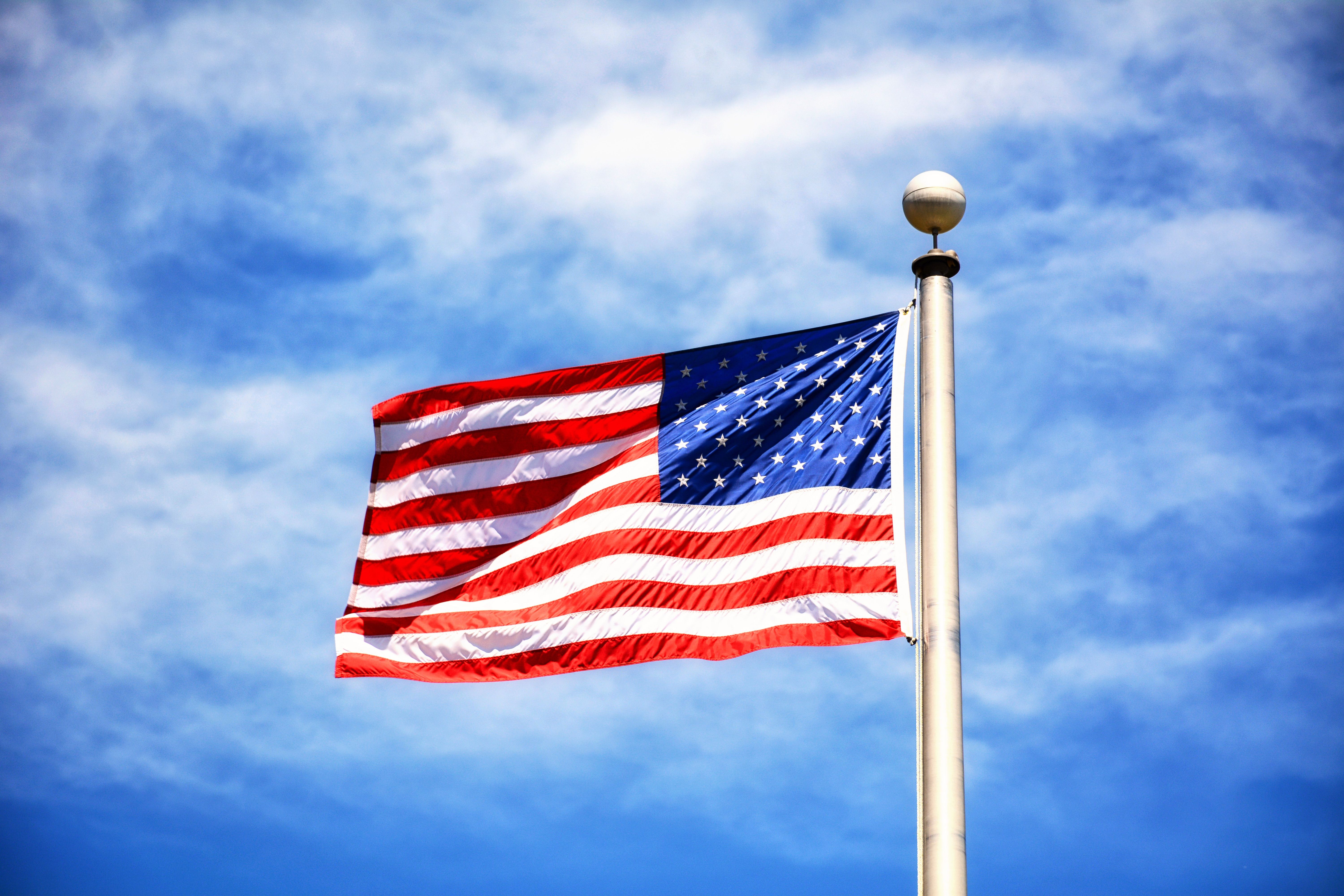
However, gradually, through the Renaissance and into the Enlightenment, this negative association began to invert. The American and French Revolutions played an unexpected role in rehabilitating the pattern. As revolutionaries adopted the tricolor stripes of flags and liberty caps, the pattern transformed into a visual declaration of liberty, anti-aristocratic sentiment, and political modernism. By the 19th century, the stripe had shed its sinister reputation, setting the stage for its most functional iteration yet.
The Breton Shirt: How the French Navy Made Stripes Respectable
By the 19th century, European navies were adopting more standardized uniforms, and the French Navy's contribution to fashion history is now one of the most well-documented origin stories in all of clothing. On March 27, 1858, a French naval regulation formally added a striped knit shirt—marinière—to the official uniform of sailors and quartermasters. The original naval specification was precise: the shirt had to feature exactly 21 indigo horizontal stripes on a white background, with each white stripe measuring twice the width of the blue stripe.
According to maritime lore, the number 21 was chosen to commemorate each of Napoleon Bonaparte’s major military victories over the British. However, the secondary, highly practical reason was safety. The high-contrast banding made a sailor easier to spot in the water if he went overboard. A third, more mundane theory points to economics: indigo dye was expensive, and alternating it with plain white cut costs while still producing a uniform look.
Because so many French sailors historically came from Brittany, the garment picked up the name Breton, and the term stuck even as the shirt spread well beyond Brittany's coastline. Fishermen and boaters up and down the French coast adopted the look, and it slowly began its second life: no longer a mark of the disreputable, but a mark of honest, hardworking maritime labor. The stripes hadn't changed. Who was allowed to wear them had.
The Move From Dock to Runway: The Influence of Coco Chanel
In the early 1900s, the coastal resort town of Deauville, France, was the playground of the elite. Women promenaded along the boardwalks in restrictive, heavily corseted gowns, carrying parasols and navigating layers of silk. It was here that Gabrielle "Coco" Chanel observed the local fishermen going about their daily work in their comfortable, flexible Breton shirts.
 |
| commons.wikimedia.org |
Inspired by the effortless practicality of menswear and working-class apparel, Chanel introduced the striped motif into her 1913 boutique collection. She rendered the pattern in soft jersey fabrics, freeing women from the physical constraints of belle époque fashion. By pairing a loose, dropped-shoulder striped top with wide-legged trousers, Chanel did something revolutionary: she equated luxury with physical comfort and leisure. The striped shirt became a visual icon for the modern, independent woman.
This was a genuinely radical move at the time. Chanel wasn't just borrowing a pattern; she was borrowing an entire garment category associated with manual labor and putting it on women who, a generation earlier, would have been expected to wear whalebone and silk. It was elegant without being delicate. Practical without appearing ordinary. That shift changed fashion permanently.
The Canvas of the Avant-Garde: Pablo Picasso
If Chanel gave the Breton shirt its first fashion credibility, Pablo Picasso gave it its artistic one. Picasso adopted the Breton shirt as his personal uniform during his years working in Villa La Californie in Cannes. For Picasso, the stark, graphic lines of the shirt matched the bold, deconstructed geometries of his Cubist paintings.
Photographed endlessly by photojournalists like Robert Capa and Edward Quinn, Picasso transformed the striped tee into an icon of creative defiance. It signaled that the wearer was a maker, a worker of the mind and hands, entirely indifferent to the stuffy sartorial expectations of high society. The shirt became inextricably linked with the romance of the Mediterranean studio life.
In fact, Pablo Picasso was fiercely loyal to his Breton tops, often wearing them until they were stained with oil paint and clay, viewing the utilitarian garment as a functional uniform for his daily creative labor rather than a fashion statement.
This association with Picasso came to matter a lot. Once an artist as famous as Picasso was photographed in stripes, the pattern picked up a second layer of meaning alongside its nautical one: creative, bohemian, a little unbothered by convention. That combination — sailor and artist, discipline and rebellion — is part of why the Breton shirt has aged so well. It never fully belongs to one type of person.
The Stripe Gets Glamorous
By the mid-20th century, stripes were embraced by cinema, further raising their popularity.
Brigitte Bardot wore stripes in a way that tied the pattern to a specific strand of French cool during the Nouvelle Vague film movement of the late 1950s and early 1960s. Her sensuous ease made the Breton stripe synonymous with summer romance. Audrey Hepburn, working in a very different register, wore fitted striped tops in several of her films that read as elegant, proving the pattern could scale up to sophistication as easily as it scaled down to casual. And on the American side of the Atlantic, James Dean, Cary Grant, Steve McQueen and more wore a striped shirt, which helped import the French nautical look into American youth culture and gave it a rebellious, masculine, and a slightly dangerous edge.
Another fashion designer left an indelible mark on the stripe. Jean Paul Gaultier turned the Breton stripe into a personal signature. Starting in the 1980s and continuing for decades, he used the pattern across his own clothing lines in unexpected ways. The stripe practically functioned as his brand mark. Where Chanel made stripes acceptable and Picasso made them artistic, Gaultier made them theatrical — proof that a plain nautical pattern could carry as much personality as any print.
By the time all of these figures had adopted the stripe, it had accumulated a strange, layered identity: French, artistic, rebellious, elegant, and casual, all at once, sometimes in the very same garment.
Stripes Around the World: A Pattern With Many Passports
While France gets most of the credit for the striped shirt's fashion history, the pattern took on distinct personalities as it traveled. Different cultures adopted it, weaving it into their own regional style narratives and transforming it into distinct cultural touchstones.
American nautical and Ivy League prep. Once the French nautical look crossed the Atlantic, American East Coast style absorbed it into its own vocabulary. Preppy fashion, with its roots in New England boarding schools, elite universities and sailing clubs, adopted stripes as a shorthand for casual, moneyed leisure — worn with khakis, boat shoes, and a general air of country-club ease that had little to do with actual sailors.

Brands like J.Crew and Ralph Lauren later codified this aesthetic for the American public. They mixed the structured lines of the stripe with worn-in denim, khaki chinos, and navy blazers. In this context, the stripe came to represent an athletic, optimistic lifestyle rooted in heritage, summer estates, and functional East Coast prep.
British rugby shirts. Britain took stripes in a heartier direction. The rugby shirt, with its thick, often wide bands of color and sturdy cotton construction, turned stripes into something built for contact sport. That heritage still shows up in how rugby-inspired striped tops fit and feel today: substantial, durable, a little more rugged than their French cousins.

Unlike the lightweight French marinière, the rugby stripe represented specific school and club affiliations. In the late 20th century, this sportswear staple crossed over into British street style and indie rock culture, valued for its durability and anti-establishment, collegiate grit.
Japanese interpretations. Rooted in the philosophy of shibui (an aesthetic of simple, subtle, and unobtrusive beauty), Japanese brands have perfected the art of the everyday basic. They treat the striped shirt not as a fleeting trend, but as an object of precise craftsmanship. Striped basics from Japanese labels tend to emphasize heavier, more textured cotton, precise stripe placement, a kind of quiet perfectionism applied to a pattern that started out as something sailors wore without a second thought. Here, the stripe represents an appreciation for slow fashion, structural integrity, and thoughtful utility.
Scandinavian minimalism. In Northern Europe, Scandinavian design principles apply a hyper-clean, monochrome lens to the stripe. Stripes tend to shrink and simplify. Instead of bold nautical banding, you're more likely to see narrow, muted stripes in restrained colors, treated less as a statement pattern and more as a subtle texture — in keeping with the broader Scandinavian instinct toward pared-down, functional design.
Mediterranean coastal style. Beyond France, coastal towns across Italy, Greece, and Spain embrace lightweight linen striped shirts and loose, open weaves. The colors change to terracotta, sage green, and sky blue against cream backgrounds. Paired with leather sandals and oversized sunglasses, the Mediterranean stripe evokes sailorcore relaxation, slow lunches by the water, and an effortless coastal style.
Wherever it lands, the pattern absorbs something of the local climate and culture, which is part of what makes it so durable. It's not really "French" or "American" or "Japanese." It's a pattern that every coastal and prep-adjacent culture has, at some point, made its own.
Beyond Fashion Capitals
Stripes have appeared in traditional textiles across many cultures, although not always in the form of T-shirts.
Handwoven striped fabrics can be found in parts of Mexico, Peru, India, West Africa, and Southeast Asia, each using distinctive weaving traditions, natural dyes, and regional color palettes.
While these textiles developed independently from the French Breton shirt, they demonstrate something fascinating: humans across cultures have long been drawn to repeating linear patterns.
The meaning changes. The colors change. The weaving techniques change.
But the visual language of stripes remains remarkably universal.
Taxonomy of the Stripe: A Style Dictionary
To navigate the world of striped shirts with confidence, it helps to master the terminology. The fashion lexicon differentiates between variations of this pattern based on historical origin, scale, and manufacturing methods.
The Structural Variations
The Breton Shirt & The Marinière: While often used interchangeably today, the traditional marinière refers specifically to the knit pullover featuring the classic 21 naval stripes, characterized by its wide boat neck and straight, dropped-shoulder cut. The modern Breton shirt encompasses a broader range of knit tops that adopt this clean, horizontal pattern.
The Rugby Shirt: A heavyweight, structured garment made from thick, durable jersey cotton. It features wide, horizontal blocks of alternating colors (known as hoops) and is finished with a contrasting woven white collar and a concealed placket.
The Polo Stripe: Finer than a rugby stripe, these are even, mid-width horizontal lines frequently found on pinstriped knit polo collars, carrying a distinct mid-century tennis and golf country club heritage.
The Candy Stripe: Highly regular, vertical or horizontal stripes of equal width alternating between a vibrant color and crisp white. They mimic the cheerful, nostalgic appearance of old-fashioned confectionary packaging.
The Fine Pinstripe: Exceptionally thin, parallel lines that resemble a series of tiny dots or pinpricks. Most commonly found vertically on tailored suiting, when applied to a fine knit tee, it adds a subtle texture to the surface.
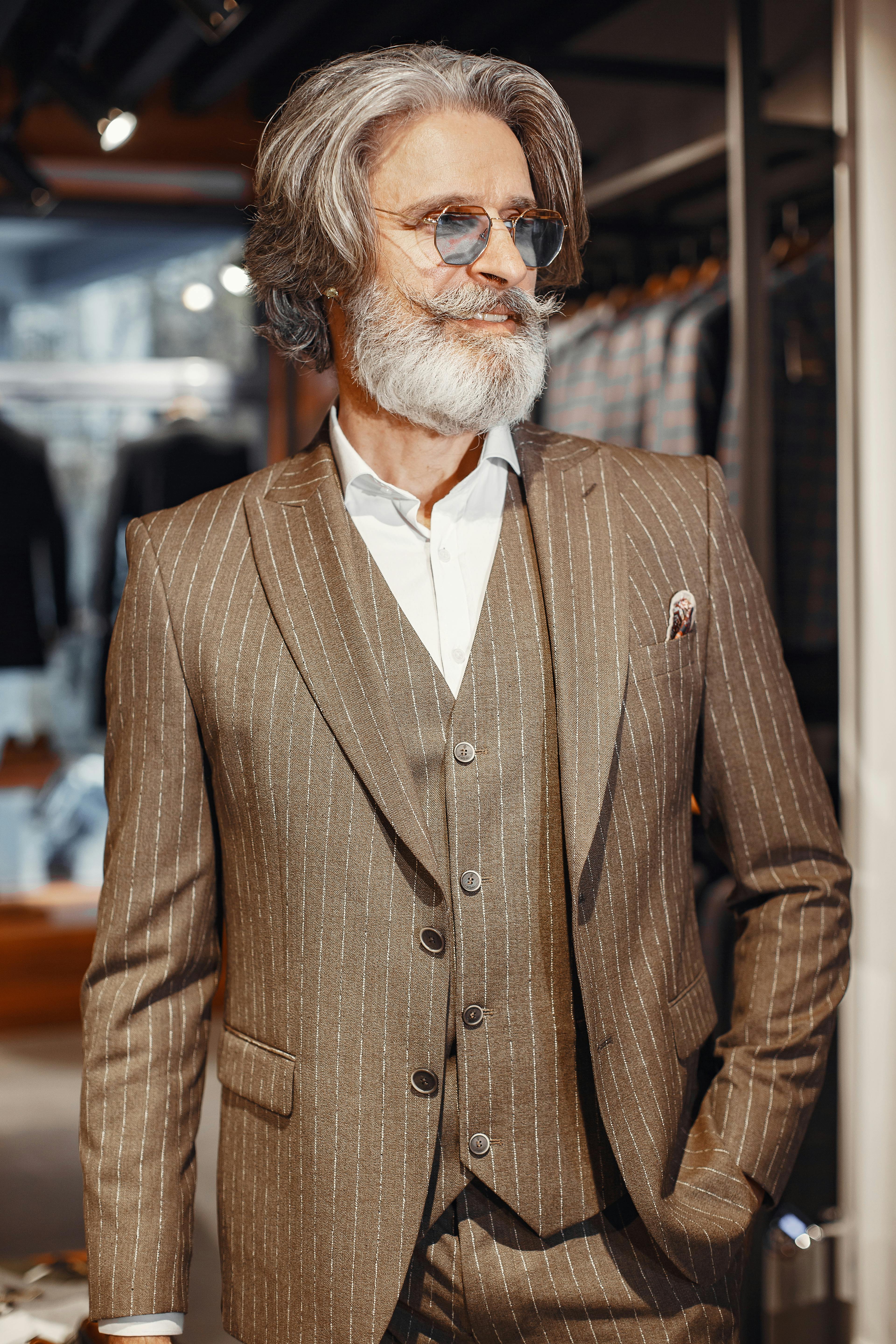
The Engineered Stripe: A modern garment construction technique where the stripes are placed precisely at specific locations on the shirt—such as running solely across the chest and upper arms, leaving the torso a solid color. This requires meticulous cutting and sewing to ensure the lines align perfectly across every seam.
Material Matters: Yarn-Dyed vs. Printed Stripes
When assessing the quality of a striped garment, the manufacturing method is paramount. There are two primary ways a stripe is applied to a fabric, and the difference determines how the garment will age over time.
Yarn-Dyed Stripes: This is the gold standard of textile manufacturing. The individual cotton threads are dyed before they are loaded onto the knitting loom. The pattern is created as the machinery weaves the threads together. Yarn-dyed stripes are completely identical on both the outside and inside of the garment. They retain their deep color richness after dozens of washes, and the fabric maintains a soft, uniform drape because there is no synthetic ink coating the surface.
Printed Stripes: In this more economical method, a solid white or neutral shirt is knit first, and the colored stripes are subsequently screen-printed or digitally stamped onto the surface of the finished fabric. You can easily spot a printed stripe by flipping the shirt inside out; the interior fabric will be a solid color. Over time, printed stripes are prone to cracking, fading, or peeling, and the ink can create a slightly stiff texture across the chest.
The Wardrobe Anchor: Why Stripes Beats the System
Trends arrive and evaporate with exhausting speed. Yet, the striped shirt remains completely immune to the cyclical nature of fashion. It is a rare garment that operates as a sartorial Swiss Army knife—equally appropriate for a corporate boardroom, a weekend farmer's market, or a beachside dinner.
The magic of the stripe lies in its ability to act as a print that behaves like a neutral. Because it is rooted in basic geometry, it coordinates effortlessly with almost every textile family in existence. It balances the denim twill, it elevates relaxed linens, breaks the severe formality of tailored suits and anchors skirts and shorts.
It's also seasonless. A heavier, long-sleeved striped knit works as a transitional piece in fall and spring, while a lightweight cotton striped tee or shirt is a summer staple. The pattern itself doesn't carry strong seasonal associations the way, say, a Fair Isle sweater or a floral print does, which means the same striped garment can realistically stay in your closet across all four seasons.
The striped garment is also inherently democratic. It doesn't belong to a single socio-economic class, age bracket, or style subculture. It is a blank canvas that adopts the personality of the person wearing it.


Comments
Post a Comment