Why Real Gold Jewelry Never Goes Out of Style: Beauty, History & Lasting Value
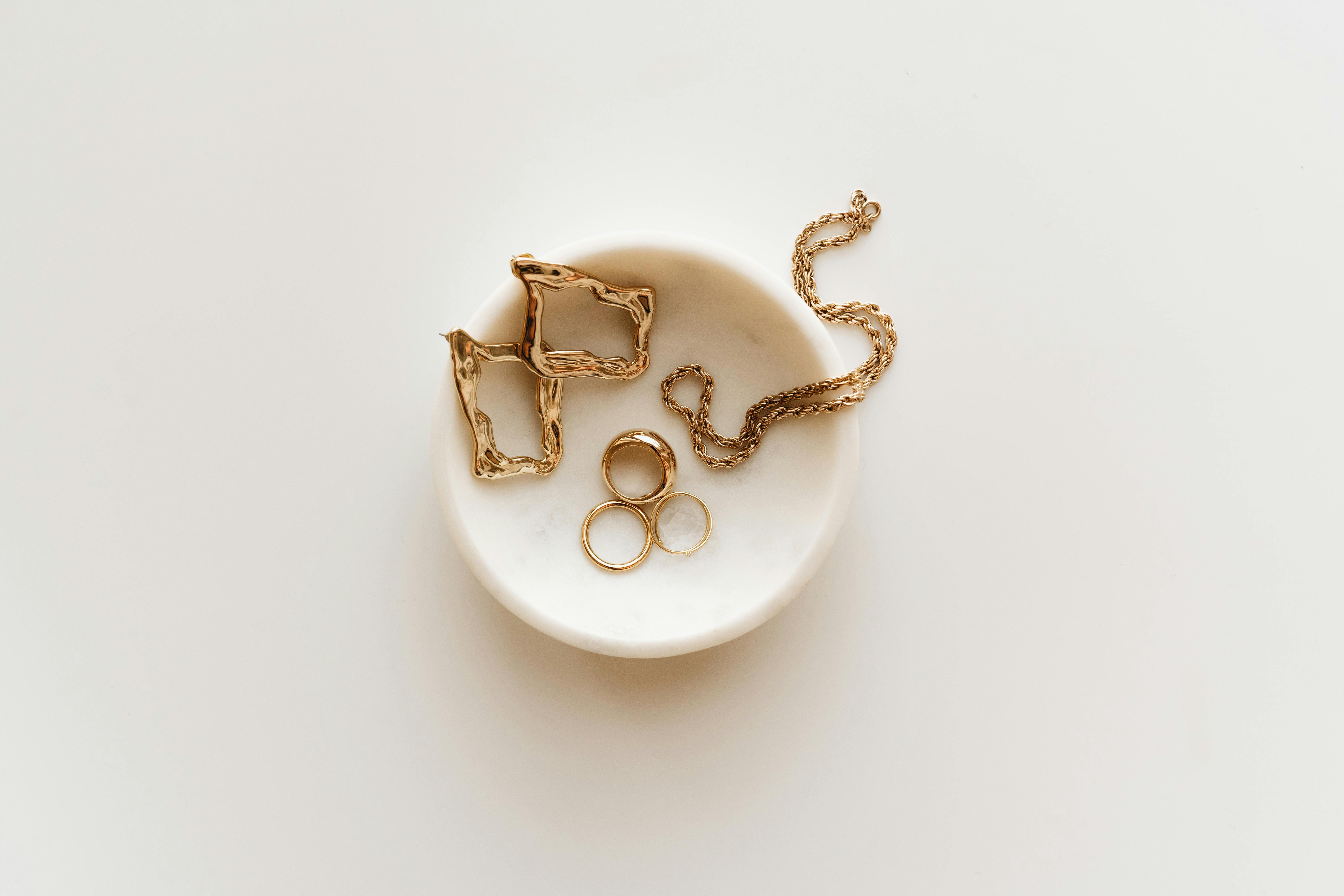
Some things are trends. Gold is history.
In a world of fast fashion and ever-changing trends, real gold jewelry has remained remarkably constant. It has adorned pharaohs, emperors, queens, merchants, and families for thousands of years—and today, it continues to be one of the few accessories that is both beautiful to wear and valuable to own.
Unlike costume jewelry, real gold isn't just an ornament. It's a precious metal with a rich history, lasting value, and the unique ability to be passed down through generations.
A Metal That Has Fascinated Civilizations for Thousands of Years
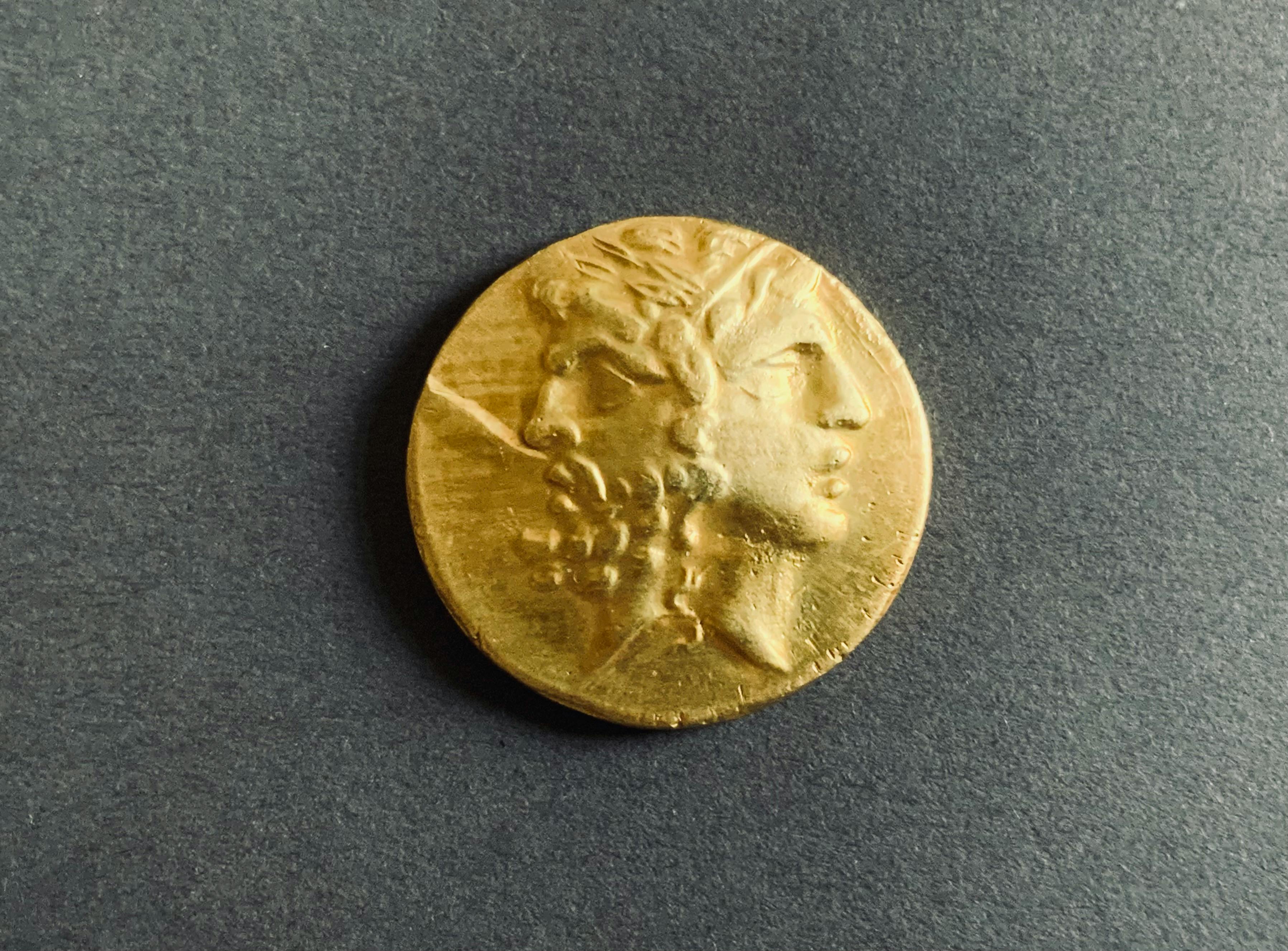
Long before paper money existed, people recognized the rarity and beauty of gold. Ancient civilizations across the world independently discovered its appeal.
The ancient Egyptians crafted elaborate gold jewelry for royalty and believed it represented eternity and divine power. Across Mesopotamia and Persia, gold symbolized wealth and prestige. In India, gold became deeply intertwined with festivals, weddings, and family traditions. The Greeks and Romans and other empires used gold not only for jewelry but also for coins that supported trade across vast empires.
For more than 6,000 years, gold has remained one of humanity's most treasured materials—a remarkable achievement in a world where fashions constantly change.
Beauty That Doesn't Fade
One of gold's greatest strengths is its durability.
Unlike many metals, gold doesn't rust or corrode. It won't tarnish the way silver can, making it an excellent choice for everyday jewelry.
Whether it's a simple chain, a pair of hoops, or a treasured family heirloom, real gold can maintain its beauty for decades with proper care.
It's one of the few materials that often looks just as beautiful after twenty years as it did on the day it was purchased.
Jewelry You Can Wear Every Day

Real gold is remarkably versatile.
A delicate necklace works with jeans and a T-shirt just as effortlessly as it does with an evening dress. Classic gold hoops, bangles, rings, and chains rarely feel out of place because gold complements virtually every wardrobe.
Rather than following seasonal trends, quality gold jewelry often becomes part of your personal style.
More Than Jewelry—An Asset

One of the things that makes real gold unique is that it holds intrinsic value.
Unlike most accessories, gold has an internationally recognized market value because the metal itself is valuable.
While jewelry should never be viewed as a guaranteed investment—craftsmanship, design, and retail markups all influence resale value—gold jewelry generally retains more value than fashion jewelry because of the precious metal it contains.
Many people appreciate owning something they can both enjoy wearing and potentially sell or pass down in the future.
Recognized Around the World
Gold is one of the few assets recognized almost everywhere.
Whether you're in India, Europe, the Middle East, North America, or elsewhere, gold is widely bought, sold, and valued. Jewelers, bullion dealers, and precious metal buyers around the world understand its purity and weight.
That global recognition has helped make gold a trusted store of value for centuries.
A Meaningful Gift
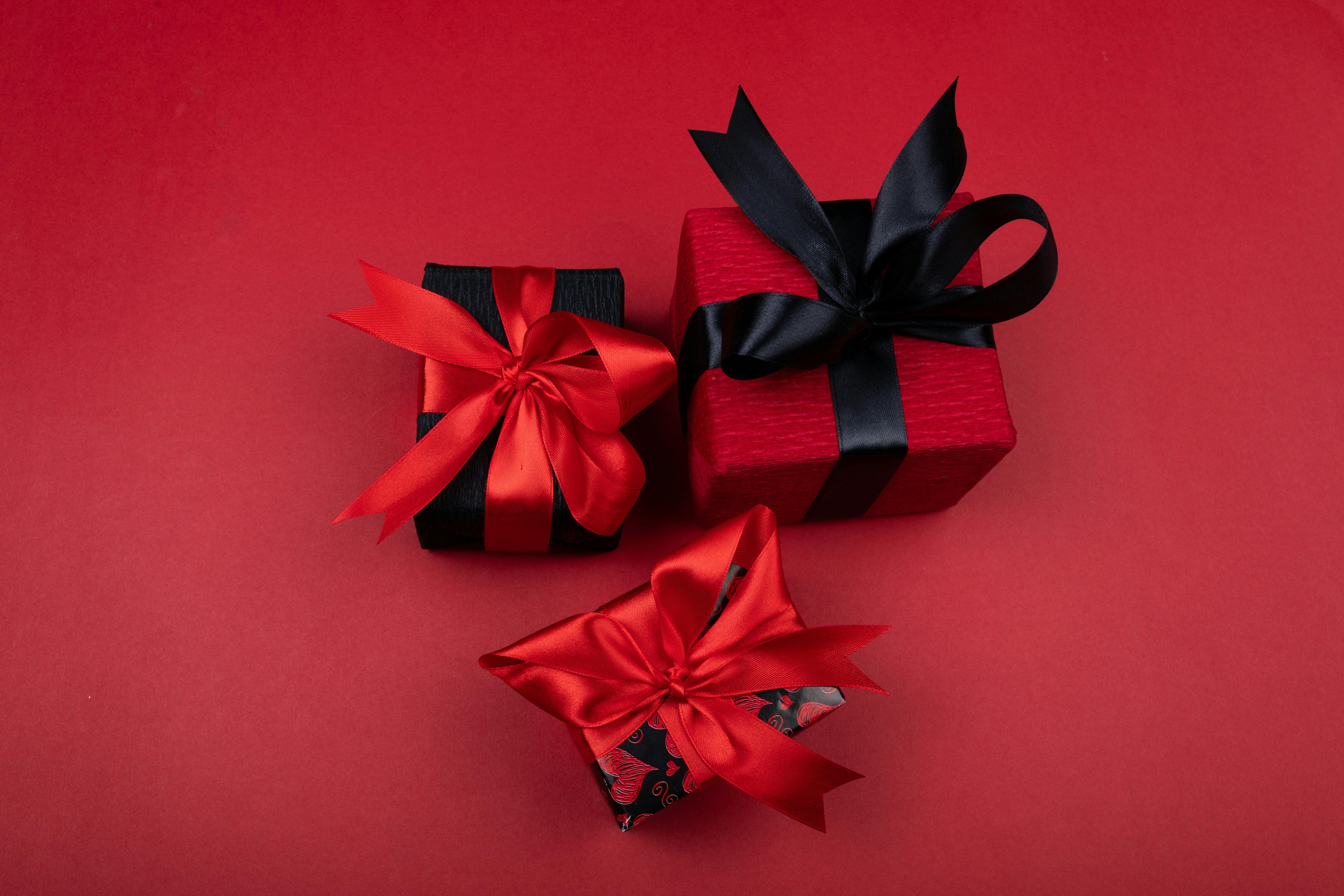
Gold jewelry often marks life's most important moments.
Birthdays.
Graduations.
Weddings.
Anniversaries.
New beginnings.
Unlike many gifts that are eventually forgotten or replaced, a gold necklace or ring often becomes part of someone's story.
Many families pass pieces from one generation to the next, carrying memories alongside their material value.
Choosing the Right Gold
If you're shopping for real gold, you'll usually come across several purity levels.
- 24K – 99.9% gold percentage. Nearly pure gold, rich in color but relatively soft.
- 22K – 91.7% gold percentage. Popular for traditional jewelry, especially in South Asia and the Middle East.
- 18K – 75% gold percentage. A balance of purity and durability, often used in fine jewelry.
- 14K – 58.3% gold percentage. More durable for everyday wear thanks to a higher proportion of alloy metals.
- 10K – 41.7% gold percentage. The most durable among common gold purities, with a lighter gold color.
The best choice depends on how you plan to wear your jewelry and your personal preference for color, durability, and budget.
Buying Gold Wisely
When investing in real gold jewelry, it's worth paying attention to a few details.
- Look for a hallmark or purity stamp (such as 14K, 18K, or 22K).
- Buy from reputable jewelers with transparent pricing.
- Consider timeless designs that you'll enjoy wearing for years.
- Remember that craftsmanship, gemstones, and designer brands often add to the price beyond the value of the gold itself.
Choosing quality over quantity often leads to pieces you'll continue reaching for long after trends have faded.
The Timeless Appeal of Gold
Fashion changes.
Styles evolve.
But gold has remained desirable across cultures and generations for thousands of years.
Perhaps that's because it offers something rare: beauty that lasts, craftsmanship worth preserving, and a tangible connection to history.
Whether you're starting your collection with a simple chain or celebrating a milestone with a special piece, real gold jewelry is more than an accessory—it's something you can wear today, treasure tomorrow, and perhaps pass on someday.

Comments
Post a Comment