The Humble Stool: A Small Piece of Furniture with Thousands of Years of History
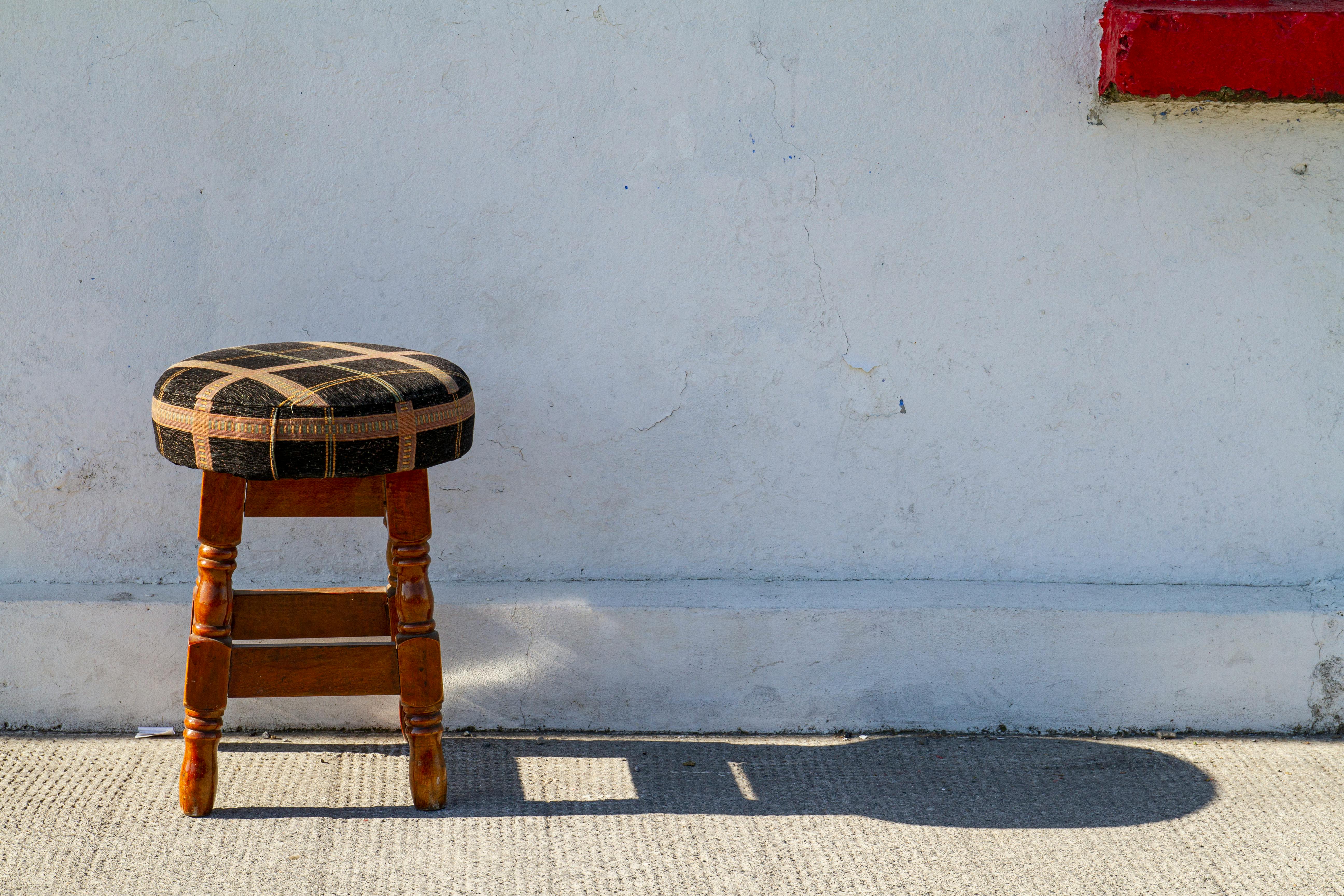
Most of us don't think twice about a stool.
It sits quietly in the kitchen, beside a vanity, tucked under a counter, or holding a favorite houseplant in the corner of a room. Unlike a grand dining table or a plush sofa, stools rarely become the centerpiece of conversation.
Yet this simple piece of furniture is one of humanity's oldest designs.
Long before upholstered armchairs, ergonomic office chairs, or sectional sofas, there was the stool—a practical, portable seat that has crossed continents, cultures, and centuries while constantly evolving alongside the people who used it.
Today, designers still rely on stools to bring warmth, texture, and personality into a room. But their story began thousands of years ago.
One of Humanity's Oldest Pieces of Furniture
Archaeologists believe stools have existed for over 5,000 years.
Unlike chairs, which often required more material and craftsmanship, stools were relatively simple to build. A flat seat supported by three or four legs could be made from wood, stone, woven reeds, or even carved from a single tree trunk.
Because they required fewer resources, stools became everyday furniture for ordinary households across many civilizations.
They weren't simply places to sit—they were tools for daily life.
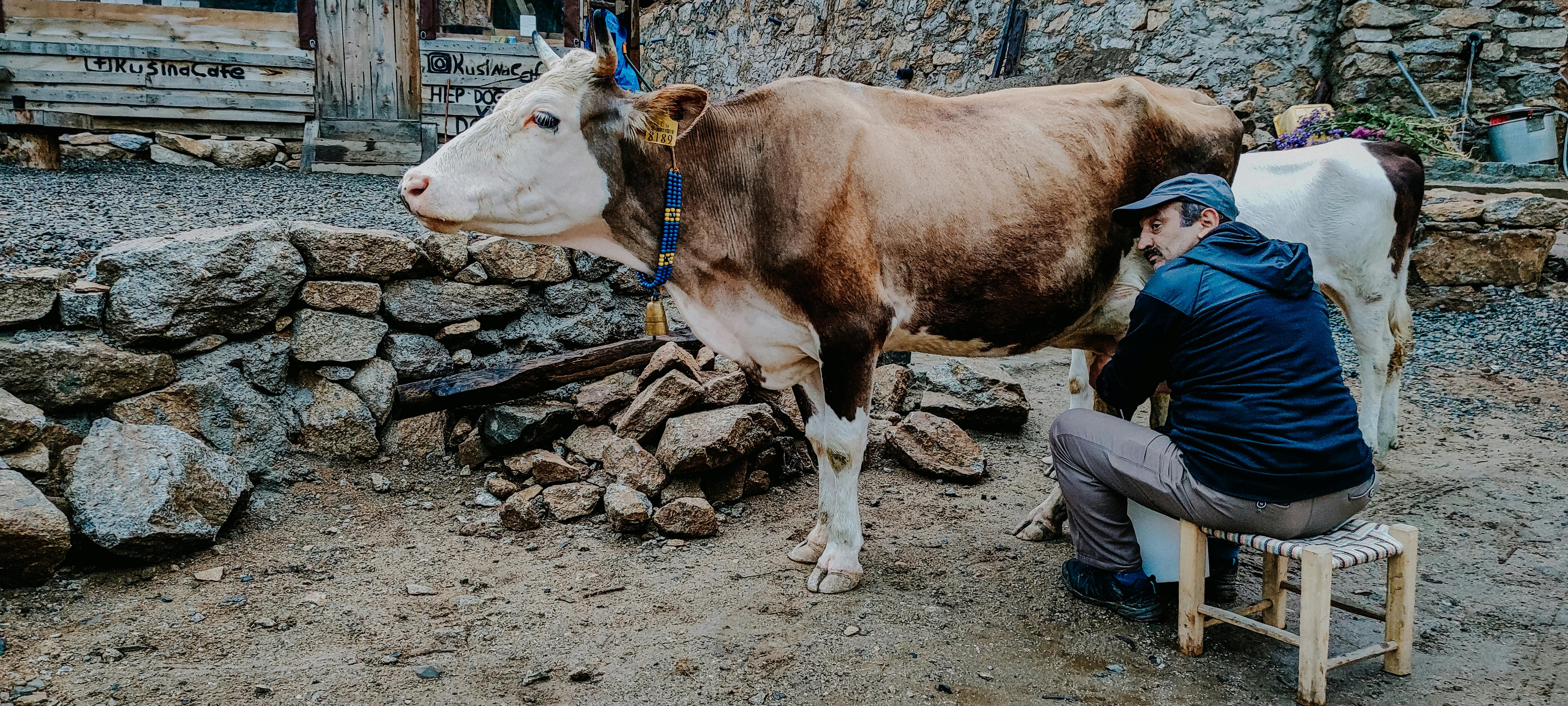
People milked animals while sitting on them. Craftsmen carved wood from them. Farmers rested on them after long days in the fields. Children used them. Elders used them.
Their simplicity made them universal.
Ancient Egypt: A Symbol of Status
Interestingly, not all stools were humble.
In Ancient Egypt, stools became symbols of wealth and power.
Royal craftsmen carved them from ebony and ivory, decorated them with gold leaf, inlaid precious stones, and even shaped the legs like lion paws or animal feet.
Some featured woven leather seats, while ceremonial stools accompanied pharaohs into their tombs, where they remained preserved for thousands of years.
These beautifully crafted pieces remind us that even simple furniture could become works of art.
Africa's Rich Tradition of Carved Stools
Few cultures have elevated the stool quite like those across Africa.
In many regions, stools have carried deep cultural meaning for centuries.
Among the Ashanti people of Ghana, elaborately carved wooden stools symbolize leadership, ancestry, and community. Some are believed to represent the soul of an individual or even an entire kingdom.
Elsewhere across the continent, stools are carved from single blocks of hardwood, often featuring intricate geometric patterns or symbolic motifs passed down through generations of artisans.
Today, many contemporary designers continue drawing inspiration from these timeless forms.
Japan: Beauty Through Simplicity
Japanese furniture has long embraced minimalism.
Traditional homes often featured low seating, encouraging people to sit closer to the floor on tatami mats.
When stools appeared, they reflected the same philosophy: clean lines, natural wood, and careful craftsmanship.
Modern Japandi interiors continue this tradition by celebrating furniture that feels calm, functional, and beautifully understated.
A simple oak stool with visible wood grain fits perfectly into this design language.
Scandinavia: Everyday Design Made Beautiful
Scandinavian design transformed the way many people think about everyday furniture.
Rather than treating stools as purely functional objects, Nordic designers emphasized craftsmanship, honest materials, and timeless forms.
Light oak, ash, and birch became favorites.
Instead of hiding the natural grain of the wood, designers celebrated it.
Many iconic Scandinavian stools from the mid-20th century remain in production today because their simple designs never really go out of style.
More Than Just a Seat
One reason stools have survived for thousands of years is their incredible versatility. Walk through almost any well-designed home, and you'll probably spot stools serving entirely different purposes.
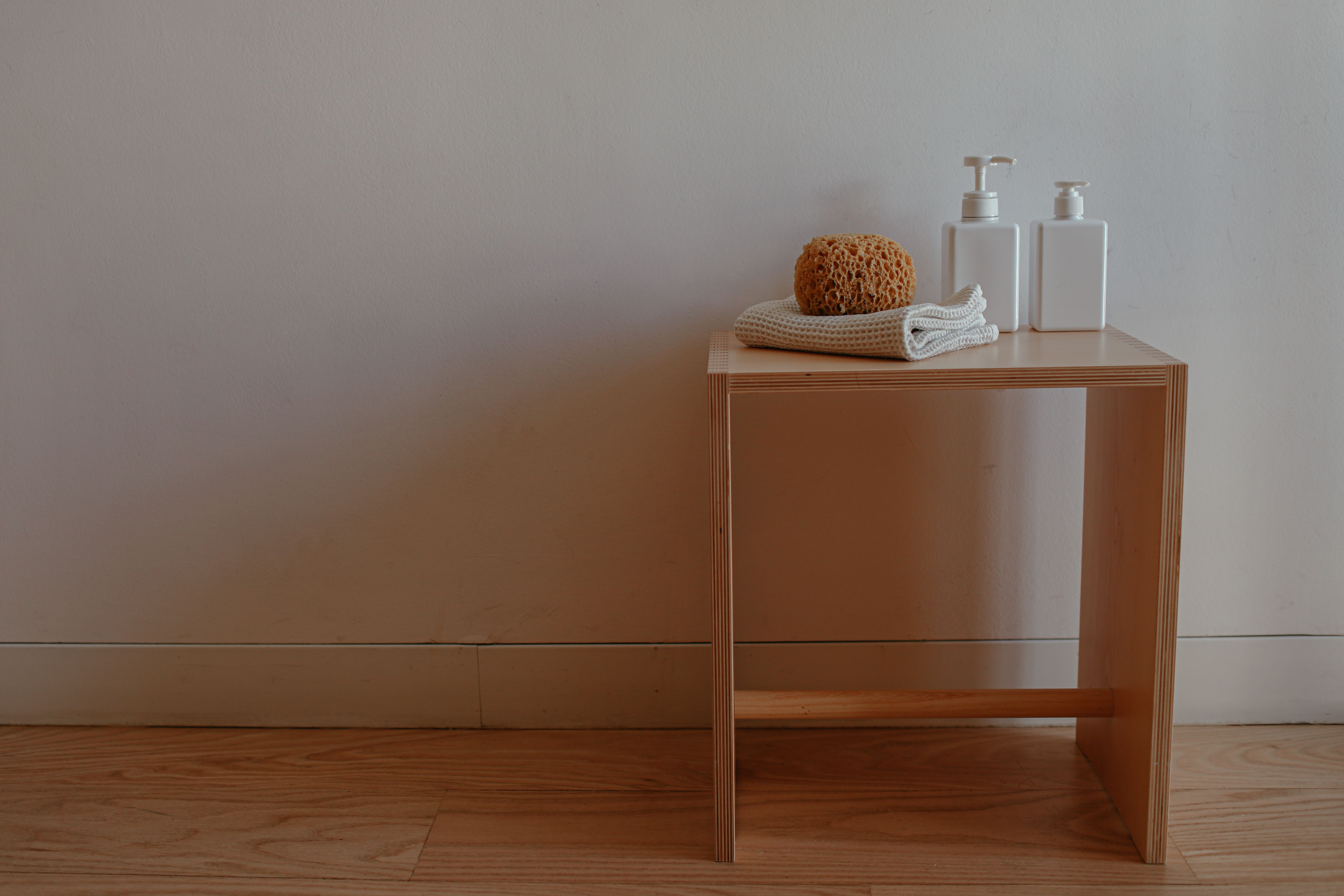
A stool beside the sofa becomes a side table. One in the bathroom holds neatly folded towels. Another becomes a plant stand. A sculptural wooden stool might display ceramics or books. In a bedroom, it becomes the perfect place to drape tomorrow's outfit.
The best stools rarely stay in one place for long.
Materials Tell Different Stories
The material of a stool often changes its personality.
Solid oak and walnut feel warm, timeless, and heirloom-worthy. Rattan brings an airy, coastal charm. Iron introduces an industrial edge. Leather adds richness and sophistication. Bouclé creates softness and texture. Stone or concrete stools blur the line between furniture and sculpture.
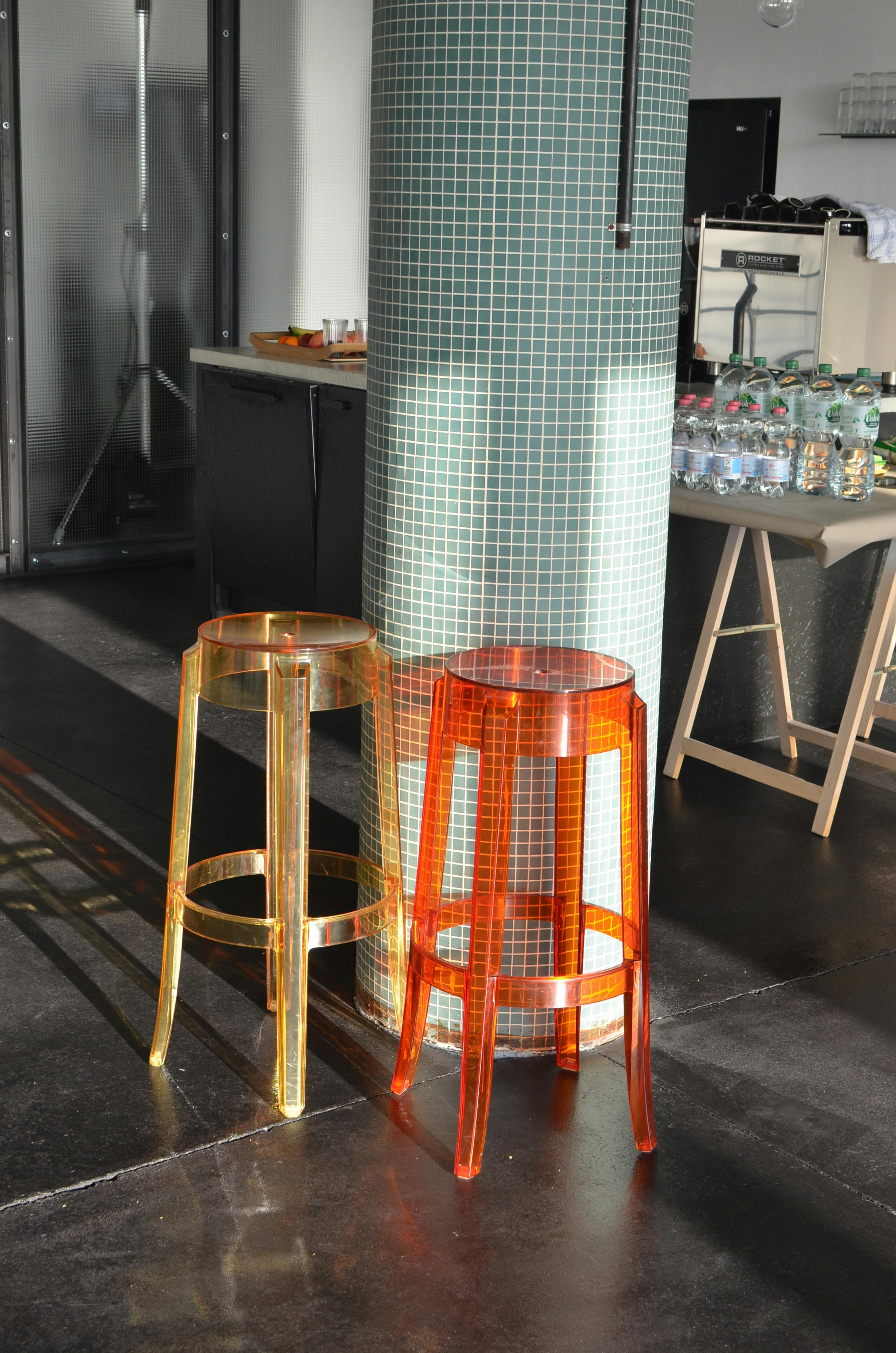
Even when two stools share the same shape, their materials can completely transform the feeling they bring into a room.
The Rise of Sculptural Furniture
In recent years, stools have become much more than practical seating. Many designers now treat them almost like sculptures. Rounded forms inspired by river stones. Chunky carved legs. Organic silhouettes that resemble tree trunks. Playful geometric shapes.
These pieces don't simply fill empty corners—they become conversation starters. Some are so striking that they're displayed even when nobody ever sits on them.
Why Designers Love Stools
Interior designers often say that the smallest details make the biggest difference.
A thoughtfully chosen stool introduces another material, another texture, another layer to a room. It softens empty spaces. Adds warmth beside sleek furniture. Balances larger pieces. Creates opportunities to display books, candles, plants, or treasured objects.
Sometimes the smallest piece quietly pulls an entire room together.
Final Thoughts
The stool has travelled an extraordinary journey.
From the workshops of ancient craftsmen and the royal courts of Egypt to African master carvers, Scandinavian furniture makers, and today's contemporary designers, it has remained remarkably relevant.
Its shape has changed. Its materials have evolved. Its purpose has expanded. But its appeal has endured.
Perhaps that's because great design doesn't always need to be complicated. Sometimes, it begins with a beautifully crafted seat, four sturdy legs—or even three—and a form that simply feels right.
Discover Beautiful Stools for Every Style
If this article has inspired you to look at stools a little differently, we've put together a curated collection featuring some of our favorite finds. From handcrafted wooden stools and sculptural statement pieces to rustic, Japandi, industrial, and modern designs, there's something for every style of home. Whether you're searching for extra seating, a beautiful side table, or simply a piece that adds character to a room, we hope you'll find something you love.
Disclosure: Some links may be affiliate links. If you purchase through them, I may earn a small commission at no additional cost to you. I only recommend products I believe offer great style and value.

Comments
Post a Comment