More Than Just Fabric: The Fascinating Story of the Skirt
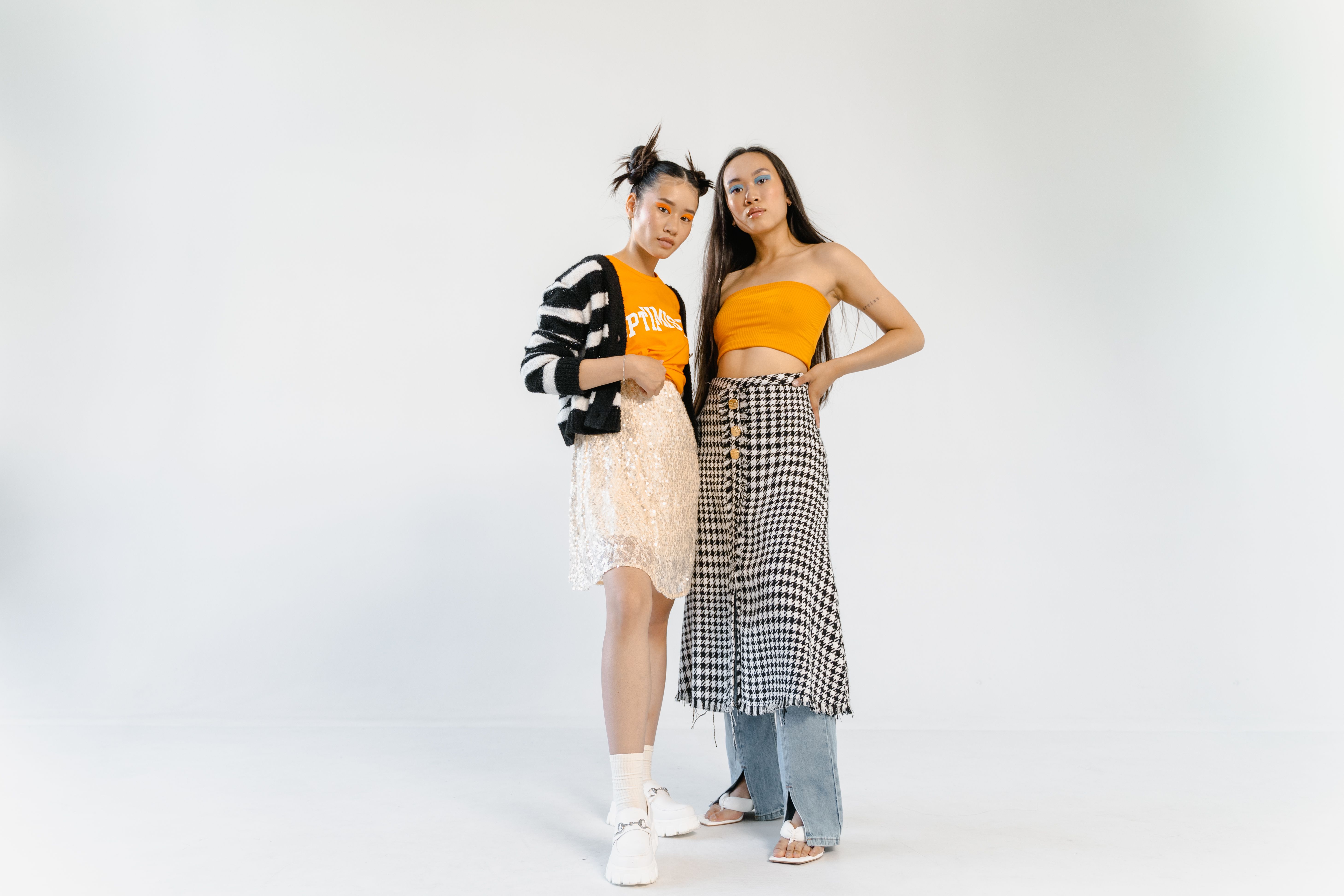
When we think of skirts today, we often think of fashion. A denim mini for summer. A flowing linen midi on holiday. A tailored pencil skirt for work.
But skirts are much older than fashion itself.
Long before trousers became common, a simple piece of fabric wrapped around the waist was one of humanity's earliest forms of clothing. Across thousands of years and countless civilizations, skirts have symbolized royalty, rebellion, modesty, freedom, status, craftsmanship, and identity.
They're not just garments—they're tiny pieces of cultural history.
The First Skirts
Archaeologists believe that some of the earliest skirts appeared over 5,000 years ago.
Ancient Egyptians wore linen wrap skirts called shendyts. These garments were practical in Egypt's hot climate, but they also reflected social status. The quality of the linen, the amount of pleating, and decorative embroidery often revealed wealth and importance.
 |
| Skirts in Ancient Egypt |
In fact, throughout much of human history, skirt-like garments were considered completely normal for everyone.
Before Pants Took Over
Today many people associate skirts exclusively with women, but historically that wasn't always true.
The Scottish kilt is perhaps the best-known example. Traditionally made from wool tartan, every pattern represented a clan or region, turning clothing into a symbol of heritage and family.
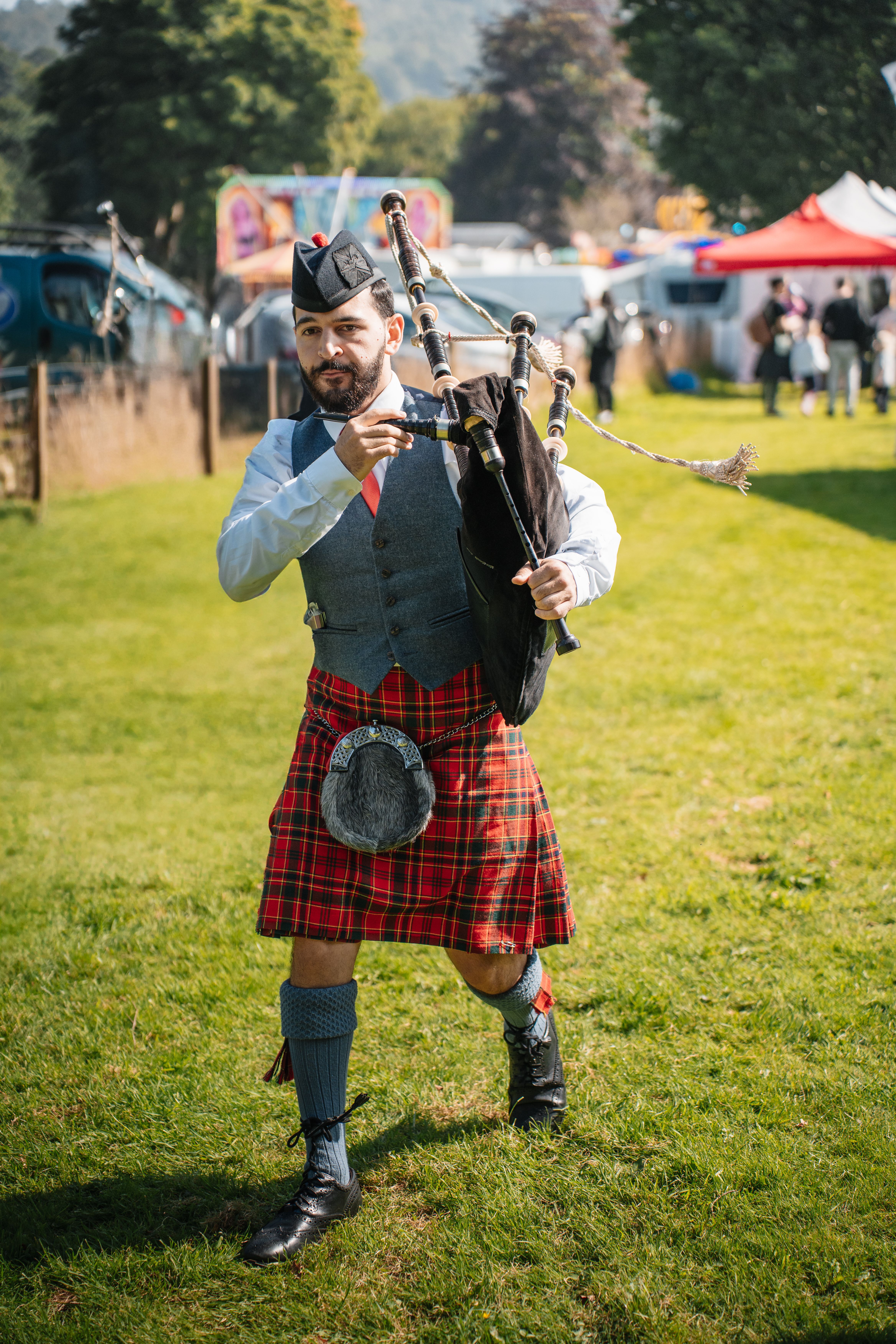 |
| Kilt |
Across Southeast Asia, garments like the sarong are wrapped around the waist and worn by both men and women.
In India, the dhoti, lungi, and many regional garments are essentially wrapped skirts, valued for their comfort in warm climates.
The idea that "skirts are only for women" is actually a fairly recent cultural development.
Skirts Around the World
One of the things I love most about clothing is how the same basic idea can evolve into something completely different depending on where you are.
In India, flowing lehengas become works of art through embroidery, mirror work, zari, and handwoven textiles. Many are passed down through generations as treasured heirlooms.
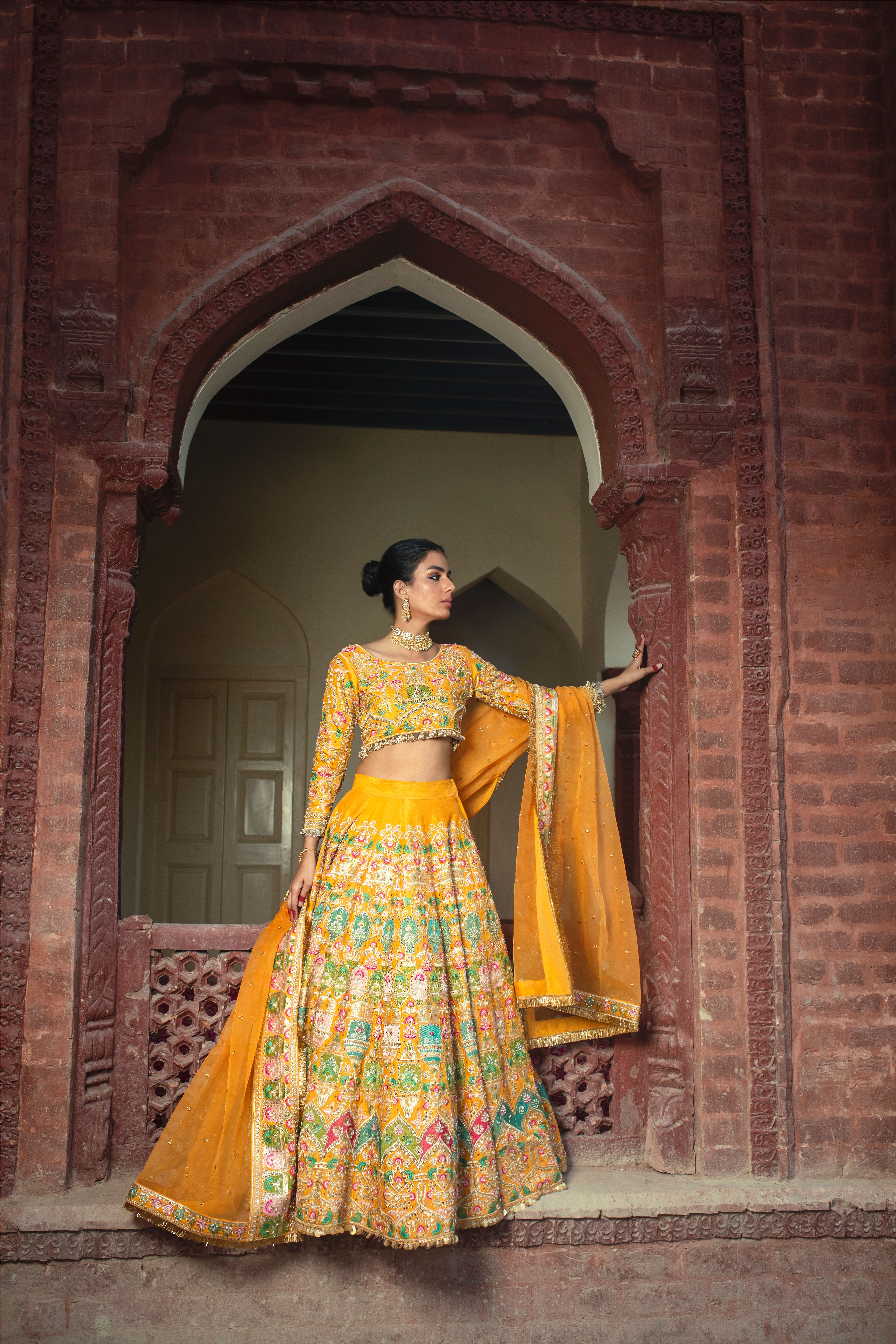 |
| Lehenga |
The colorful pollera skirts of Bolivia can weigh several kilograms and often include elaborate embroidery, lace, and layers of fabric. They're a proud expression of Indigenous heritage.
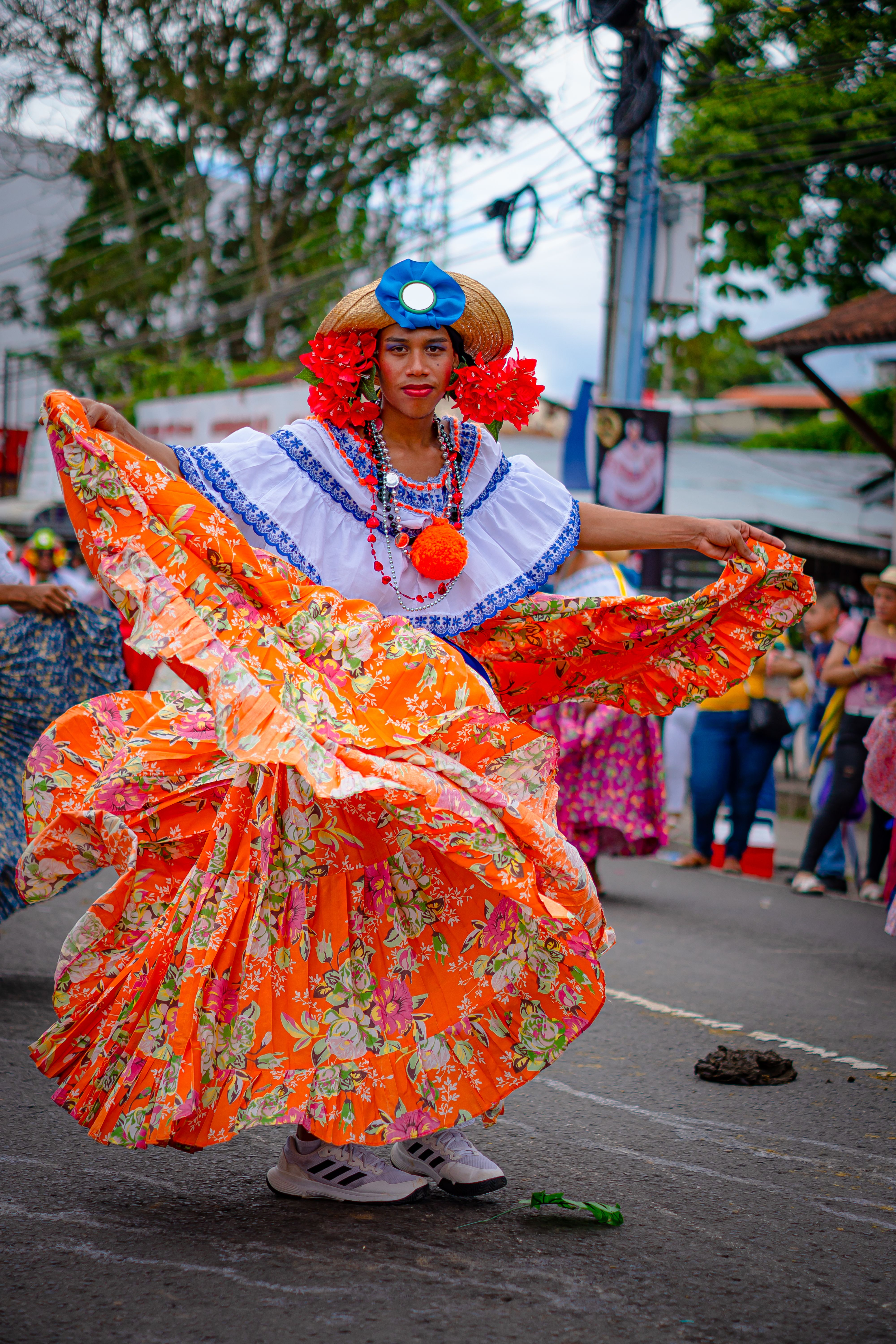 |
| Pollera |
Spain's famous flamenco dresses feature dramatic ruffled skirts designed to move with every step, transforming dance into visual storytelling.
Across Africa, beautifully patterned wrapper skirts made from wax prints and handwoven fabrics celebrate regional craftsmanship and cultural identity.
Every culture has found its own way of interpreting this simple garment.
More Than Decoration
For centuries, skirts have quietly communicated information.
Length could indicate age. Fabric could reveal wealth. Embroidery might identify a village. Color could mark celebrations, mourning, or marriage.
Even today, uniforms, ceremonial dress, graduation gowns, and traditional clothing continue this centuries-old language of textiles. Fashion often speaks before we do.
The Mini Skirt Revolution
Perhaps no skirt changed fashion history more dramatically than the mini skirt.
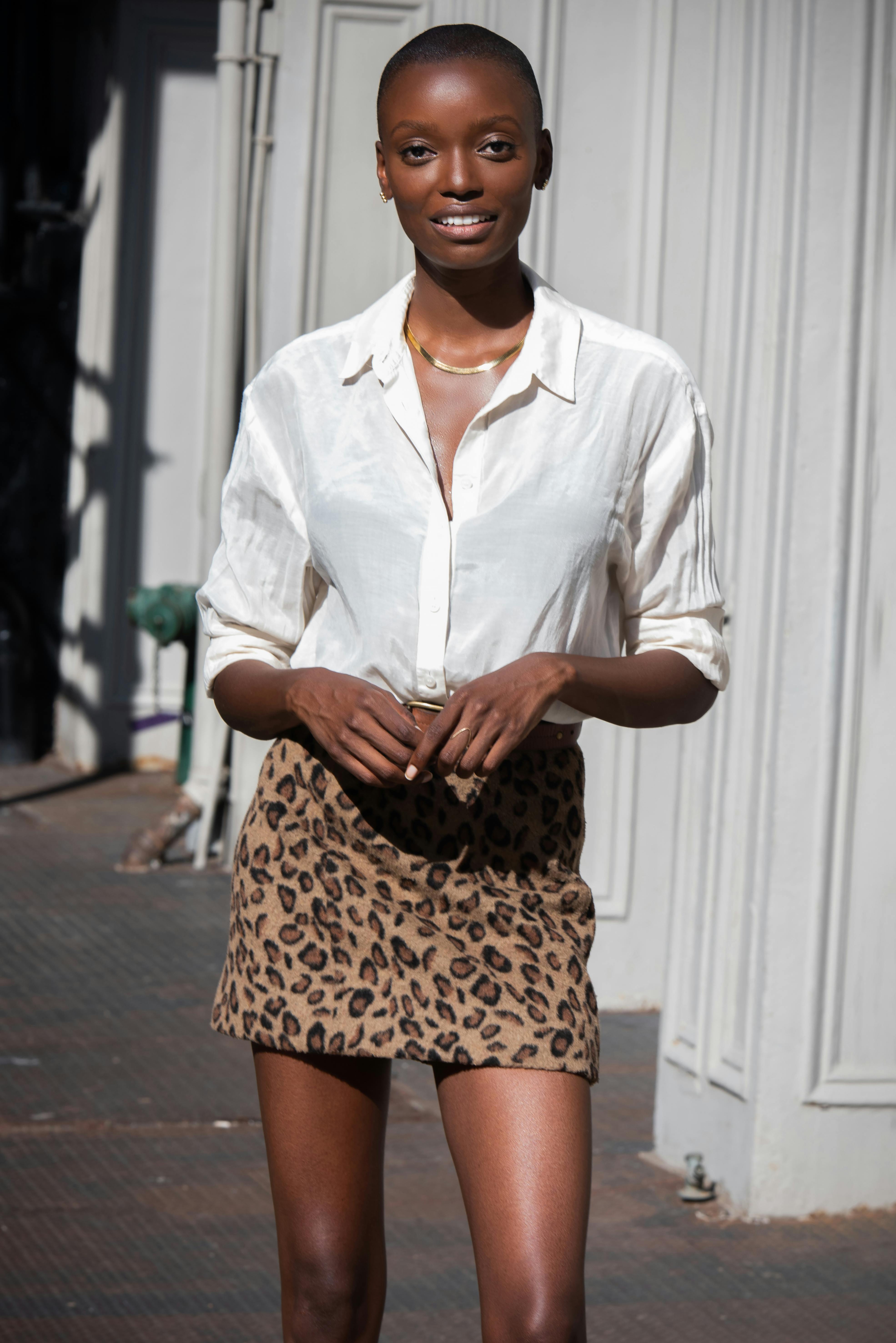 |
| A mini skirt |
For many women, the mini skirt represented more than a trend. It became a symbol of youth, confidence, and changing attitudes toward women's independence.
Like many iconic garments, it wasn't universally accepted. It sparked debates, criticism, and excitement—all signs that clothing often reflects larger social changes happening in the world.
Why We Still Love Skirts
Despite changing trends, skirts have never disappeared.
Some people love the comfort of a flowing maxi. Others reach for a structured pencil skirt that feels polished and elegant. Some enjoy playful pleats, while others collect vintage denim minis.
There isn't one "right" skirt. That's part of their charm. A skirt can be practical or dramatic. Minimalist or extravagant. Traditional or experimental. It can carry centuries of cultural meaning or simply make you feel confident on a sunny afternoon.
Perhaps that's why skirts continue to evolve without ever going out of style.
Final Thoughts
The next time you see a skirt—whether it's a crisp linen mini, a beautifully embroidered lehenga, a Scottish kilt, or a vintage denim midi—remember that you're looking at one of humanity's oldest garments.
It has travelled through civilizations, crossed continents, reflected changing societies, and adapted to every generation that wore it.
Fashion trends come and go. But some garments become timeless because they tell stories. And skirts have been telling ours for thousands of years.
Final Final Thoughts
If this little journey through the history of skirts has inspired you to add one (or a few) to your wardrobe, we've put together a curated collection of skirts that genuinely caught my eye. From timeless denim classics and elegant midi skirts to playful minis, flowing maxis, and beautifully tailored designs, it's a mix of pieces we'd happily wear ourselves.
Disclosure: Some links in this post may lead to curated shopping collections where I may earn a commission if you make a purchase, at no extra cost to you.


Comments
Post a Comment